
Google reviews have some pretty remarkable benefits for businesses.
A whopping 90% of consumers read online reviews before they visit a business – These reviews carry a similar weight as personal recommendations from friends and family for 88% of customers.
Recent studies show that Google reviews play a vital role online today with the numbers tell a compelling story – 81% of consumers use these reviews to assess businesses before making purchases.
Most customers will only choose businesses rated 4 stars or higher (makes sense… i’m personally not choosing lower).
Businesses with perfect 5-star ratings see 39% more clicks compared to those with single stars.
This piece will show you why Google reviews matter to your business in 2025. You’ll see their specific benefits and learn practical ways to get more positive feedback.
The guide covers how to respond to reviews effectively and avoid common mistakes. You’ll also find ways to use this powerful tool to enhance your visibility, build trust, and improve your revenue.
Why Google Reviews Are a Key to Online Success
Online reviews are the modern backbone of consumer decision-making. They have taken over from traditional sources of business information and recommendation and Google Reviews can make or break your business success with the ability for consumers to quickly analyse a business from not just one or two friends, but hundreds if not thousands of people… based on their personal experience with the business in question.
The growing influence of online reviews
Consumer buying habits have changed dramatically. Latest surveys show 54% of consumers trust online reviews first, way ahead of friends and family (24%), company marketing claims (18%), and social media influencers (2%). This major change in how people buy things shows why online reviews are vital to business success.
People’s trust in online reviews keeps growing, with 77% of respondents calling them “mostly” trustworthy. This rise has created a new form of social currency that shapes how people see brands and buy products. Numbers don’t lie – 93% of consumers now look at online reviews to make their buying choices.
Young people care even more about reviews. For Gen Z consumers, 76% rank online reviews second only to product quality. Money gets tight, and this dependence grows stronger—63% of Gen Z and 61% of Millennials rely more on reviews as prices go up.
Google’s platform stands out here. About 87% of people check Google Reviews before picking a local business. On top of that, more than 60% of customers read Google reviews before visiting a business. Google Reviews dominates this space, hosting over 70% of all reviews posted online.
How Google Reviews affect visibility and trust
Google Reviews boost your business’s online visibility in several ways. They are a vital ranking factor for local SEO. Businesses that get positive reviews and high star ratings have better chances of showing up in Google’s Local Pack—the top three listings under the map in search results.
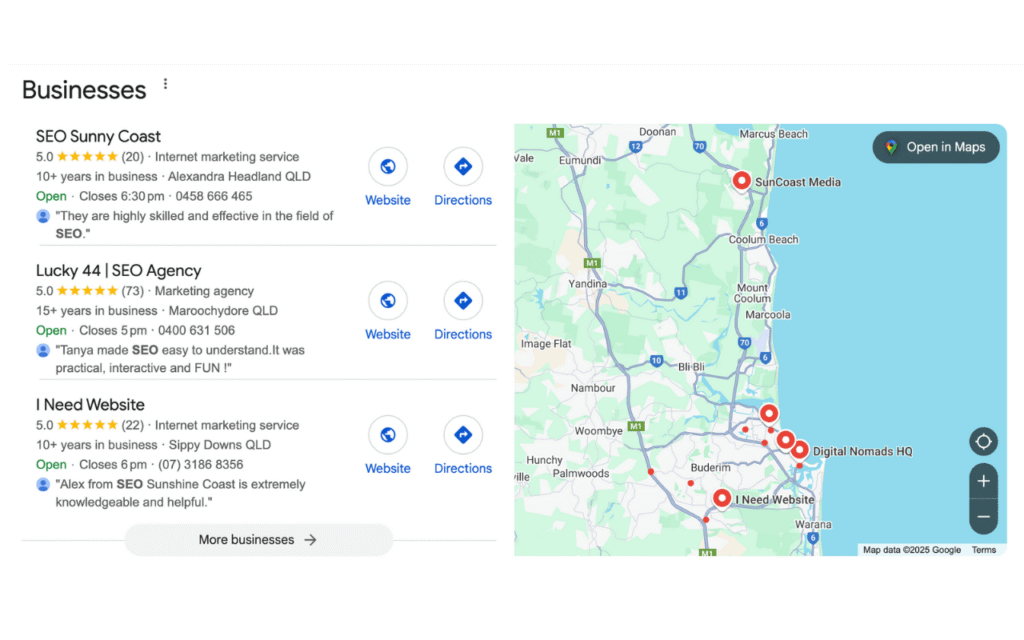
People searching for “best” plus a business type (like “best coffee shop near me”) will only see businesses rated 4 stars or higher. A positive review profile becomes crucial to show up in these targeted searches.
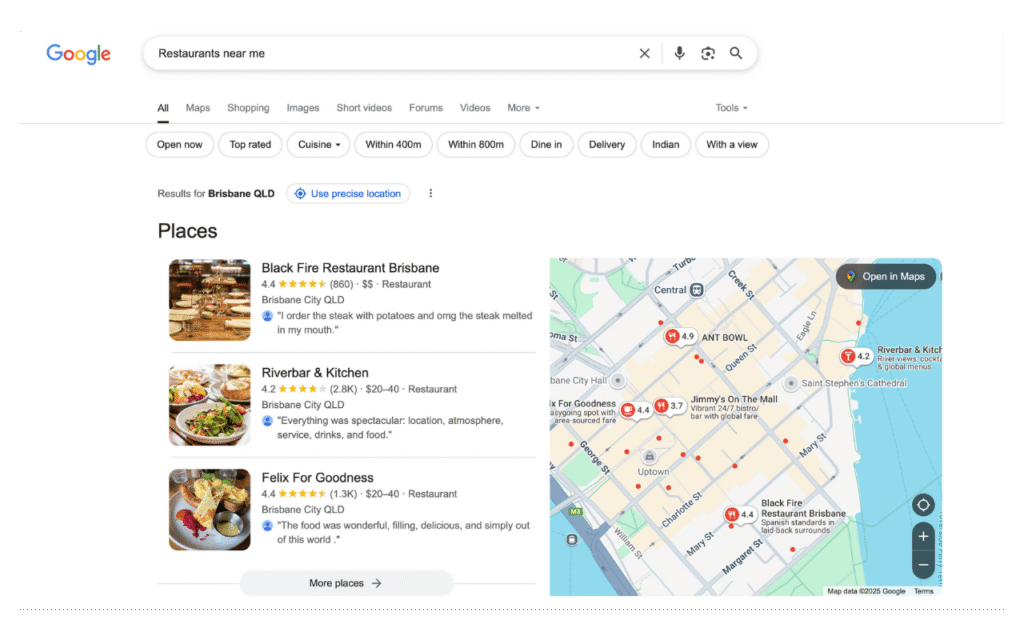
Fresh reviews matter a lot for consumer trust. About 67% of people say reviews from the last three months are highly or moderately important. Your business needs steady stream of new, positive feedback.
Google Reviews build credibility better than traditional marketing. Google’s reputation as a trusted search engine makes consumers value its reviews more. Their transparent review system and smart filtering make people trust these reviews even more.
Here’s how Google Reviews build business credibility:
- Real customers provide social proof that people trust
- They shape 93% of consumer purchase decisions
- Your online visibility and foot traffic both get better
- You get valuable feedback to make your business better
Review responses matter just as much, especially to negative reviews. About 85% of consumers look at how businesses handle negative reviews before deciding. Quick responses within 24 hours increase the chances of customers improving their ratings by 33%.
Google Reviews in 2025 are more than just feedback. They’re a vital business asset that improves visibility, builds trust, and stimulates growth in an increasingly competitive digital world.
The 5 Most Important Benefits of Google Reviews
Google Reviews offers clear advantages that boost your business growth and strengthen customer relationships. These benefits are the foundations of an effective digital marketing strategy.
Increased visibility in local search
Google reviews boost your local search visibility substantially. Review signals make up about 15% of Google’s local search ranking factors. Google’s local search algorithm favors businesses that have higher ratings and more reviews. This increases your chances to appear in the Local Pack—the top three listings shown under the map in search results.
Google reviews pack quite an SEO punch. The quantity, quality, and freshness of reviews play a key role in your business’s ranking. Better search visibility leads to more website visits and foot traffic to physical locations. This creates more opportunities to turn potential customers into actual ones.
Higher customer trust and credibility
Reviews serve as powerful social proof. About 74% of consumers say positive Google reviews help build their trust in a business. This trust factor plays a vital role today, as 93% of consumers check online reviews before buying.
The numbers tell an interesting story – 88% of customers trust online reviews just as much as personal recommendations. Traditional marketing alone can’t create this level of trust. Potential customers feel more confident about their purchase decisions when they see others having positive experiences with your business.
Better conversion rates from search traffic
Google reviews have a remarkable effect on conversion rates. Studies show that businesses see a 44% jump in Google Business Profile conversions with just a one-star rating improvement. Moving from 3 stars to 4 stars can make a huge difference in customer decisions.
The research shows that every 10 new reviews lead to a 2.8% increase in conversion rates. Even more impressive, businesses that get 40 new reviews in a month see their conversions rise by 11.2%. These numbers clearly show how positive reviews help your bottom line.
Valuable customer feedback and insights
Google reviews are a great way to get feedback about your business performance. They show what customers like and don’t like, helping you spot areas that need work. Looking at review patterns helps you adjust your offerings to match what customers want.
This customer intelligence helps you:
- See which parts of your business strike a chord with customers
- Spot and fix common problems
- Watch how customer sentiment changes
- Use data to improve products and services
Improved brand perception and loyalty
Positive reviews help build a strong online reputation, which helps you stand out in competitive markets. Businesses with good reviews create stronger customer relationships and earn more loyalty.
Responding to reviews shows customers you care about their feedback and want to improve. Businesses that respond to reviews are 1.7 times more likely to be seen as trustworthy and customer-focused. This interaction builds trust with current customers and encourages new ones to share their experiences.
Taking care of your Google reviews creates a positive cycle. Happy customers become brand supporters who spread the word about your business.
How to Encourage More Google Reviews from Customers
Getting Google reviews doesn’t just happen on its own – you need a smart plan. Research shows that 86% of customers will write reviews if you ask them the right way. The secret lies in making your request easy and well-timed. Let me show you how to get more Google reviews for your business.
Timing your request after a positive experience
You’ll get the best results by asking for reviews when your customers are happiest. Data shows that your chances of getting feedback go up by a lot if you ask right after or soon after a great interaction. This could be just after they buy something, once you’ve finished providing a service, or when they tell you how happy they are with your product.
Requests sent mid-week mornings work better, boosting response rates up to 10% compared to other times. Note that staying persistent pays off – reaching out to customers twice with a few days between messages can boost your response rates by as much as 60%.
Using automation tools to streamline the process
The right automation tools help you collect reviews consistently without burning out your team. These platforms can:
- Send review requests automatically after customer interactions
- Customize messages that strike a chord with your specific audience
- Provide notifications when new reviews come in
- Schedule follow-up reminders for customers who haven’t responded yet
Setting up automated systems won’t let any chances slip away. Your software can send the original requests within 24 hours of customer interaction and a friendly reminder a few days later if needed.
Educating customers on how to leave a review
Most customers want to give feedback but might not know how. The completion rates jump when you make the process crystal clear. Here’s how to make reviewing simple:
- Create and share a direct URL to your Google review form instead of just linking to your business profile
- Put QR codes that connect straight to your review page on receipts, business cards, or thank-you emails
- Keep instructions simple and clear, saying things like “It’s quick and easy to leave a review”
- A brief video showing the steps can help make things even clearer
Note that Google doesn’t allow you to offer rewards for reviews or cherry-pick only happy customers for feedback. Your best bet is to make the process smooth and easy for everyone. These strategies, when used consistently, will help you build a steady flow of genuine reviews that boost your business’s reputation and visibility.
Best Practices for Responding to Google Reviews
Getting Google reviews is just the beginning. Your response to these reviews can affect your business reputation and customer relationships significantly. The way you handle reviews matters just as much as the reviews themselves if you want to make the most of Google reviews.
Responding to both positive and negative reviews
Your active response to all reviews shows customers that their feedback matters. Good reviews need acknowledgment to build loyalty. Addressing negative ones proves to future customers that you care about service quality. Most customers want to see a response within 7 days of posting a review. Many expect it even sooner – within 3 days.
Not responding to reviews tells customers you don’t care about their feedback. Every review needs a response, whether it’s praise or criticism. This should be part of your complete response strategy.
Maintaining a professional and helpful tone
Your responses need to stay professional whatever the review says. Here’s what makes responses work:
- Thank reviewers sincerely for their feedback
- Make each response personal (don’t use templates)
- Keep it short and easy to read
- Add your name or initials at the end to make it real
Never get defensive or take criticism personally. Focus on fixing problems instead. This builds trust with your current customers and helps new ones feel confident about choosing your business.
Turning negative feedback into improvement opportunities
Negative reviews are a great way to get insights for growth if you handle them well. They point out problems in your customer’s experience that need fixing. Looking for patterns in this feedback helps you spot recurring issues and make real improvements.
Respond to negative reviews publicly but offer to continue talking privately to show you want to fix things. Start by owning the problem and say sorry when needed. Then explain what you’re doing to fix it. This approach can help satisfy unhappy customers and shows others that you’re always trying to improve.
Businesses that respond well to negative reviews can turn bad situations into opportunities that improve their online reputation.
Avoiding Common Mistakes with Google Reviews
Business owners can make mistakes that hurt their Google reviews’ effectiveness, even with good intentions. You need to avoid these pitfalls to keep your credibility and get the most from this powerful tool.
Why buying reviews can backfire
Buying fake Google reviews might look like a quick fix to boost your online reputation. Notwithstanding that, this strategy comes with serious risks. Buying reviews breaks Google’s review policies and breaks the law in many countries. The UK’s Competition and Markets Authority and the US Federal Trade Commission have taken enforcement actions against this practice.
Google uses smart systems to catch review manipulation. Their “intelligent text matching” spots bots, duplicate content, and suspicious patterns. The consequences hit hard when you get caught – your reviews could vanish, your account might get suspended, or Google could disable it completely.
The damage goes beyond Google’s penalties. Customers these days are fluent in spotting fake reviews. Your business could lose customer trust forever if they find out about fraudulent practices.
Ignoring reviews or failing to respond
Not watching and responding to reviews will get pricey. Research shows that businesses lose much by ignoring feedback. Negative reviews without responses become missed chances to fix problems and keep customers.
When you stay quiet after criticism, people think you didn’t fix the problem, even if you handled it privately. This silence hurts your reputation and scares potential customers away from your business.
Google rewards businesses that stay active with their reviews. You’ll see better visibility and local search rankings. A neglected review section means you let others control your online story.
Letting outdated reviews dominate your profile
Old reviews might not show what your business does now, but they still shape what consumers think. These reviews stick to your business profile forever, even through ownership changes or when you close temporarily.
The solution? Ask happy customers to leave fresh reviews regularly. This shows people what your service quality looks like now and reduces the effect of old feedback.
Without doubt, recent reviews matter by a lot to consumers. About 67% of people think reviews from the last three months play a big role in their decisions.
Conclusion
Google reviews play a vital role in business success in 2025’s digital world. The numbers tell a compelling story – 90% of consumers read online reviews before they visit a business. Trust in these reviews matches personal recommendations for 88% of people. Your business might miss growth chances if you overlook this powerful tool.
Google reviews create a direct line of communication with your customers. Their feedback helps you learn about what works and where you need to improve. Your professional responses to both good and bad reviews show your dedication to customer satisfaction and build a stronger brand image.
Note that you need steady work to build a solid review profile. Skip the shortcuts like buying reviews. Focus on honest methods instead. Ask for reviews after positive experiences and make the process easy for customers. Real reviews boost your local SEO rankings and help convert more visitors into customers.
Managing reviews takes time but pays off in the long run. New positive reviews balance out older feedback and highlight your current quality standards. Each time you respond to a review, you get a chance to connect with current and future customers.
Google reviews stand out as one of the most effective tools for business owners today. These strategies will help you make use of information from customer feedback. Your business can grow and succeed even as competition gets tougher.
FAQs
Q1. How do Google reviews impact a business’s success? Google reviews significantly influence a business’s online visibility, credibility, and customer trust. They affect local search rankings, with businesses having higher ratings and more reviews often appearing in top search results. Additionally, positive reviews can increase conversion rates and provide valuable customer feedback for improvement.
Q2. Are Google reviews still relevant for businesses in 2025? Absolutely. Google reviews continue to be crucial for businesses, especially those relying on trust and reputation. They serve as modern word-of-mouth referrals, with potential clients evaluating others’ experiences before engaging with a business. In fact, 90% of consumers read online reviews before visiting a business, making them a vital tool for attracting customers.
Q3. How can businesses encourage customers to leave Google reviews? To encourage more Google reviews, businesses should time their requests after positive customer experiences, use automation tools to streamline the process, and educate customers on how to leave a review. It’s important to make the review process as simple as possible, such as providing direct links or QR codes to the review page.
Q4. What’s the best way to respond to negative Google reviews? When responding to negative reviews, maintain a professional and helpful tone. Acknowledge the issue, apologize if appropriate, and outline specific steps you’re taking to address the concern. Offer to continue the conversation privately to resolve the issue. This approach demonstrates your commitment to customer satisfaction and can turn a negative situation into a trust-building opportunity.
Q5. Why should businesses avoid buying Google reviews? Purchasing fake Google reviews can severely backfire. It violates Google’s policies and is illegal in many countries. Google uses sophisticated systems to detect review manipulation, and if caught, businesses face consequences ranging from review removal to account suspension. Moreover, customers are increasingly adept at spotting inauthentic reviews, which can permanently damage their trust in your business.